Hydration and Athletic Performance: Science, Electrolytes, and Timing
Understand how hydration impacts athletic strength, endurance, focus, and recovery. Learn daily needs, electrolytes, timing before/during/after exercise, and how to monitor hydration.
One of the least considered but most basic determinants of athletic performance is hydration. Be it a professional athlete or a person who exercises routinely, the balance of water in the body directly influences strength, endurance, attention and rest.
A slight decrease in the level of hydration say 2 percent of body mass can cause a significant decrease in physical and cognitive functioning. Dehydration may lead to fatigue, retarded reaction speed, muscle spasms, lack of concentration. However, too much liquid intake may be dangerous as well, particularly in endurance events.
This is a detailed guide that describes the influence of hydration on athletic performance, the amount of water athletes should consume every day, the role of electrolytes in establishing balance, and the process of measuring hydration. It also gives good habits of being hydrated before, during and after an exercise so that you can have a steady stream of energy and rest.
Science of Hydration and Performance
The water plays vital roles in almost all the physiological functions that aid athletic functioning. It controls the body temperature, carries nutrients, removes waste, and lubricates body joints. Hydration is a performance variable to athletes with the same degree of criticality as training and nutrition.
When you are sweating, you lose not only water, but also electrolytes (mainly sodium, potassium, magnesium). The amount of sweat lost per hour of exercise ranges between 0.5 and 2.5 liters of water per hour with most athletes losing 0.5 to 2.5 liters of sweat per hour. Unless those losses are restored, dehydration will occur, reducing the output and stamina of the muscles.
Mild dehydration has an impact on performance. Research from the American College of Sports Medicine indicates that loss of fluids by 2 percent of the body weight can slow the aerobic and reaction time performance. Losses of 3-5% weaken athletes, slowing down their strength, speed and concentration.
Hydration does not only affect physical performance, but also the mental performance. In this case when the brain gets dehydrated, it must work more in order to keep focus, causing mental fatigue to come faster and causing poor judgment and lack of coordination, which can determine the difference between winning a game or a race.
The Strength, Endurance and Focus Effects of Hydration
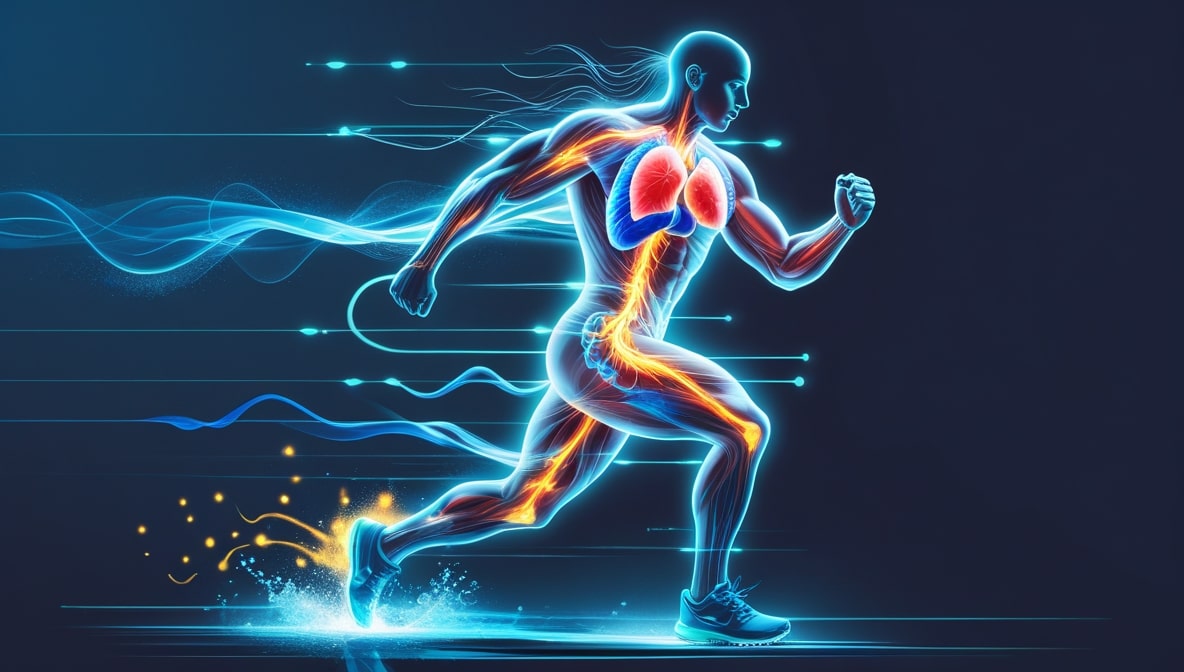
Strength and Power: Water plays a crucial role in muscle contraction. The contraction by the nerves requires sufficient supply of fluid in every muscle element. Dehydration causes blood plasma to thicken, which decreases the supply of oxygen and nutrients to the muscles, causing muscle premature fatigue and decreased strength output.
Endurance and Stamina: In prolonged exercise, body temperature increases. Sweat assists in getting rid of heat, although without sufficient amounts of water, thermoregulation is ineffective. This elevates the heart rate and perceived exertion forcing the athletes to slow or quit sooner. Hydrating keeps the cardiovascular steady and energetic in long sessions.
Attention and Concentration: Athletes rely on decisions made in a second and long-term focus. Dehydration also influences the neurotransmitter activity and cerebral blood flow to cause slower reaction time, loss of alertness and motor coordination. Fluid balance will keep physical and cognitive alert during training or competition.
Recovery and Muscle Repair: Post exercise hydration replenishes plasma volume, eliminates waste products and helps in the transportation of nutrients to the muscles. Healthy hydration speeds up the process of glycogen restoration and decreases pains so that the sportsmen can train more efficiently across several days.
Essential Water Requirement among Sportsmen
The hydration requirements of individual athletes are individual. There are also requirements based on factors like the body weight, sweat rate, time taken on the exercise as well as temperature and humidity. The British Nutrition Foundation and other sports science organizations provide general recommendations, which can be used to draw a baseline.
Average daily needs: The daily total fluids required by most athletes (containing water, beverages, and water-rich foods) are 3-4 liters (100-135 oz).
During training: To sustain moderate to vigorous exercise that takes a duration of 60 minutes or longer, strive to consume 0.4-0.8 liters (13-27 oz) of activity each hour.
Post-workout: Losses through sweat should be replaced by 150%. For instance, when you lose 1 kg (2.2 lbs) of training, consume approximately 1.5 liters (50 oz) of water or fluids containing electrolytes post-workout.
The easiest way of estimating the loss of hydration is to weigh yourself prior to and after training. Every kilogram of loss corresponds to an approximate loss of 1 liter of fluid.
Learning about Electrolyte Balance
Hydration does not only concern water but also electrolytes. These minerals sustain the fluid balance, nerve functioning, and muscle contractions.
The most important Electrolytes in Athletes:
- Sodium: Balances the fluids and prevents hyponatremia (low sodium).
- Potassium: It helps in muscle contraction and regulation of heart rhythm.
- Magnesium: This is used in energy metabolism and muscle relaxation.
- Calcium: Aids in the contraction of muscle and transmitter of nerve.
Heavy perspiring athletes may lose large quantities of sodium and potassium. Electrolyte imbalance leads to cramps, dizziness and fatigue without replenishment.
Natural and Commercial Sources: Natural fluids like coconut water, milk, bananas, oranges, and leafy greens contain natural electrolytes that have hydration. Commercial drinks such as Pedialyte, Gatorade, Liquid I.V., or Nuun formulas are more precisely known to be rapidly absorbed and replace electrolytes, which is best when an endurance athlete is taking part or a high heat environment.
The balanced hydration approach may involve both plain water to gain normal hydration and electrolyte solution in the middle of or after excessive sweating.
Natural Sources
- Coconut water (K), milk (Ca)
- Bananas, oranges (K)
- Leafy greens, yogurt (Mg, Ca)
- Soups/broths (Na)
Commercial Options
- Sports drinks (Na, K)
- Oral rehydration solutions
- Electrolyte tabs/powders
- Match to sweat rate, duration, heat
The Timing of Hydration Before, During and After Exercise
Before Exercise: Start hydrated. Consume 16-20 oz (0.5 L) water 2-3 hours before training, then another 8-10 oz (250-300 mL) 20-30 minutes before beginning. Do not overhydrate; the idea is to start without being overly hydrated or bloated.
During Exercise: Drink consistently according to sweat losses and work-activity. Water is adequate for moderate intensity under 60 minutes. Use electrolyte drinks every 30-45 minutes if longer or intense. Aim for 3-6 oz (100-180 mL) every 15-20 minutes.
Post-Exercise: Rehydrate to restore balance and speed recovery. Replace 150% of body mass lost through sweat (1 kg loss ≈ 1.5 L). Include electrolyte-rich fluids and hydrating foods (fruits, soups).
Hydration Timing Summary
Before: 16–20 oz (0.5 L) 2–3 hrs pre + 8–10 oz 20–30 min pre
During: 3–6 oz every 15–20 min; add electrolytes if >60 min or high heat
After: ~150% of body mass lost (1 kg ≈ 1.5 L) + sodium/potassium
Monitoring Hydration: How to Know You Are Hydrated
Urine Color Test: A straightforward and dependable measure. Good hydration is shown by pale yellow; amber or dark yellow depicts dehydration. Transparent urine could be the symptom of overhydration.
Target pale yellow. Clear may indicate overhydration during long events.
Body Weight Tracking: Pre-training weight and post-training weight. Regular loss of weight is an indicator of inadequate replacement of fluids.
Estimate Sweat Rate (L/hr)
- Weigh before (A) and after (B) training.
- Record fluids consumed (C) in liters.
- Subtract any urine during session (D) in liters.
- Sweat Rate ≈ ((A − B) + C − D) ÷ hours trained.
Use this to personalize during-exercise intake and post-session replacement.
Thirst: Thirst is a slow indicator—when you get thirsty, it is already too late to lose the fluid. Nevertheless, follow your body and have a regular drink throughout the day.
Physical and Cognitive Cues: The red flags are fatigue, headache, dizziness, muscle cramps, or slower thinking during workouts. Constant symptoms indicate the need to change your hydration plan.
Common Hydration Blunders in Athletes
- Only drinking to thirst during exercise.
- Neglecting electrolytes when sweating heavily.
- Excessive hydration causing hyponatremia.
- Skipping pre-hydration.
- Failing to replace post-workout fluid losses.
Environment and Lifestyle Factors
- Heat and humidity: Increase fluids and sodium; sweat rate can double.
- Cold weather: Thirst declines; respiratory water loss continues—drink regularly.
- Altitude: Higher respiratory fluid loss; target +0.5–1 L/day.
- Indoor training: Dry air can mask dehydration—plan intake.
Caffeine in moderation is generally fine, but higher intakes can increase urine output. Post-training alcohol impairs rehydration and should be minimized.
Interaction between Nutrition and Hydration
Hydration and nutrition go hand in hand and in order to achieve optimal performance, it is important to take care of both. Your food intake can play a major role in the regulation of the fluid balance whereas hydration can play a major role in the efficiency with which your body utilises the nutrients.
Carbohydrates and Glycogen: The glycogen of carbohydrates is stored in muscles and liver. Glycogen maintains around 3 grams of water to each gram of glycogen implying that the carbohydrate consumption is directly linked to the hydration. Athletes who eat proper carbs not only have enough energy to exercise but also the water is retained better in the muscles; this decreases fatigability and helps increase their endurance.
Hydrating Foods: Water and the necessary electrolytes are found in many foods and will assist the athlete to satisfy their hydration levels throughout the day. Examples include:
- Fruits: oranges, watermelon, strawberries.
- Vegetables: cucumber, celery, lettuce.
- Dairy: milk, yogurt, kefir.
Both of these foods make good snacks and additives in meals to increase the overall fluid consumption and give the body vitamins and minerals required to continue muscle functions and recovery.
Low-Carb or Ketogenic Diets: Athletes who exercise on low-carb or ketogenic diets accumulate less glycogen-bound water in muscles. This may cause faster dehydration particularly in high-intensity training or endurance training. Such athletes often require consumption of more water during the day, replacement of sodium, potassium and magnesium lost during training with electrolyte supplementation, and urine color and body weight monitoring in order to maintain good hydration.
Striking a balance between nutrition and hydration provides your muscles, joints, and nervous system with optimal performance and recovery, which is essential both in performance and recovery.
History and Habits of Hydration and Recovery
Hydration does not only entail the consumption of water during exercises. Regular activities are also important to the sustenance of the muscle repair, joint lubrication and metabolic activity. Appropriate recovery hydration enables athletes to train continuously and prevent fatigue build up.
Daily Hydration as a Habit: Consistency is key. Fluid management should be part of the routine, as formed meals or workouts. Keep a water bottle in your sight always to remind you to drink a little bit at a time. Eat with drinks and snacks to incorporate hydration into your lifestyle. Monitor water consumption using a hydration tracker or smart bottle to make sure one reaches their target.
Post-Workout Rehydration: The recovery hydration is not just drinking water. It must contain fluids that are electrolyte replacement and muscle-repairing. Consider electrolyte sports drinks in exercises that take more than 60 minutes or when it is hot. Fruits and vegetables contain abundant amounts of water. Muscle-healing drinks or meals containing proteins also support recovery.
Long-Term Benefits: Regular hydration practices boost the overall athletic performance and health. Benefits include less susceptibility to chronic fatigue, a reduced number of muscle cramps and stiffness of the joints, better absorption of nutrients and digestion, and constant mental attention on training and racing.
These habits are a sure way to make sure that hydration is more of a proactive intervention than a reactive one and one that you incorporate into your daily routine to support performance in the short term and the long-term growth of your athletic ability.
When to Seek Professional Guidance
All athletes need to be hydrated properly, but there are some situations when a professional has to give individual advice. A standard hydration plan might not suffice in case of endurance athletes, athletes that train in harsh weather conditions, or even people with underlying medical conditions. The consultation of a sports nutritionist or medical professional can help you make sure that fluids intake is adjusted to your particular needs and the risks are minimum and optimize your performance.
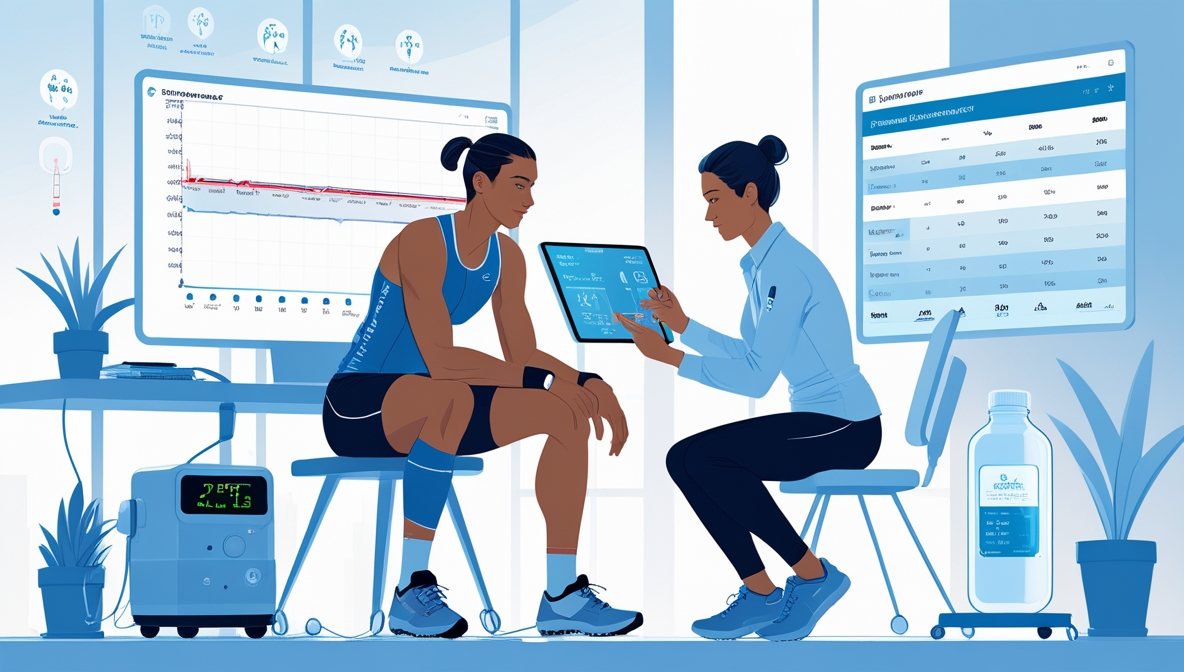
High-Volume Training and Endurance Athletes: Long-distance runners, bicycle riders, triathlon runners and competitive swimmers commonly train multiple hours at a time. The loss of fluids and electrolytes during such activities may be enormous and highly different among people. A professional can:
- Test the rate of sweat to establish the precise fluid loss per hour.
- Prescription of individualized electrolyte replacement measures to avoid cramps, dizziness or hyponatremia.
- Establish hydration patterns of various training levels and conditions, so that performance and recovery are constant.
Sportsmen who are training in harsh conditions: High-altitude conditions, high humidity, or hot weather are highly dehydrating. In these environments:
- The presence of heat and humidity increases the rate of sweat loss, increasing the requirement on the electrolytes and fluids.
- Excessive water loss to respiration and decreased sensation of thirst are caused by high altitudes.
- A professional is able to offer customized hydration instructions which consider the temperature, humidity and elevation.
- They are also in a position to recommend cooling measures and pre-hydration regimes to eliminate heat related illnesses.
People with Special Needs or Medical Conditions: There are conditions of some athletes that demand special hydration attention. Examples include:
- Kidney or heart disease, which interferes with the retention and excretion of fluid.
- Diabetes which may affect the hydration due to the administration of blood sugar.
- Fluid loss due to medication (diuretics, blood pressure drugs).
Medical workers will be able to conduct electrolyte and kidney functioning tests to detect risks and modify the hydration regimen. This minimizes the risk of complications and gives athletes an opportunity to train safely and efficiently.
Frequently Asked Questions
How much should I drink during a 90-minute workout?
Aim for 3–6 oz (100–180 mL) every 15–20 minutes. Add electrolytes if the session exceeds 60 minutes or conditions are hot/humid.
How do I calculate my sweat rate?
Weigh before and after training and account for fluids consumed and urine. Use ((A − B) + C − D) ÷ hours to estimate liters per hour.
Do I always need sports drinks?
No. Water is sufficient for moderate sessions under 60 minutes. Use electrolyte drinks for longer, hotter, or high-sweat sessions.
Conclusion
Hydration is not an incident—it is an essential factor of performance. For athletes, fluid and electrolyte balance sustain endurance, focus, muscle function, and recovery.
The most effective plan is individual: track sweat rate, watch urine color, and adjust water and electrolytes based on intensity and environment. Hydrate before workouts, drink during, and replace losses afterward.
Make hydration a core part of training to support higher energy, faster recovery, and long-term athletic health.
Find Your Optimal Hydration
Use our athlete calculator to estimate training-day fluid needs. For electrolyte planning, see our hydration strategies guide.